
Our furniture pieces are more than just functional items; they’re investments, memory-makers, and often the heart of our homes. To ensure they stand the test of time and continue to look their best, a little seasonal care goes a long way. Just like we adjust our wardrobes for the weather, our furniture also benefits from a tailored approach throughout the year.
Let’s dive into some seasonal furniture care tips to keep your beloved pieces protected and beautiful, year-round!
Spring: The Season of Renewal and Refreshment
As the world awakens from winter, it’s the perfect time to give your furniture a thorough refresh.
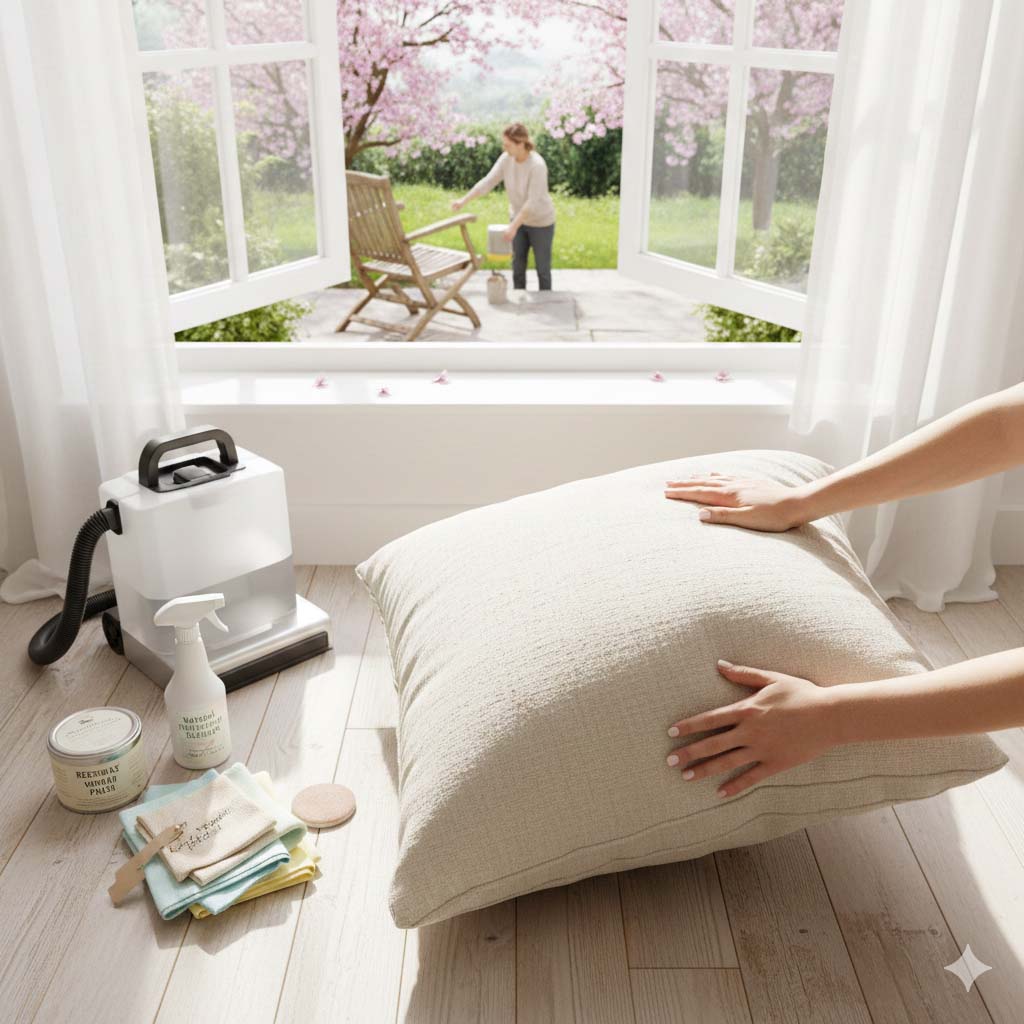
- Deep Clean Upholstery: Winter can leave behind dust, pet dander, and general grime. Spring is ideal for a deep clean of upholstered items. Consider professional cleaning for delicate fabrics or invest in a good quality upholstery cleaner for DIY jobs. Always spot-test in an inconspicuous area first!
- Dust and Polish Wood: Open windows bring in fresh air, but also pollen and dust. Give all your wooden furniture a good dusting with a microfiber cloth. Follow up with a suitable wood polish or conditioner to restore its luster and provide a protective barrier.
- Inspect Outdoor Furniture: If you have outdoor furniture, bring it out of storage and give it a good clean. Check for any winter damage, loose screws, or rust. Touch up paint where needed and apply a protective sealant to wood or metal.
- Rotate and Fluff Cushions: To ensure even wear and tear, rotate and fluff all your sofa and chair cushions. This prevents permanent indentations and helps maintain their shape.
Summer: Guarding Against Heat and Humidity
Summer brings sunshine, but also intense heat, UV rays, and often high humidity, all of which can be detrimental to your furniture.
- Protect from Direct Sunlight: Prolonged exposure to direct sunlight can fade upholstery, warp wood, and degrade finishes. Use blinds, curtains, or UV-filtering window films to protect furniture, especially pieces near windows.
- Control Humidity: High humidity can cause wood to swell and warp, while excessively dry air (from air conditioning) can cause it to crack. Use a dehumidifier in humid environments and consider a humidifier in very dry ones to maintain a consistent indoor humidity level (ideally between 40-50%).
- Mind Your Drinks: With more outdoor entertaining and cool drinks indoors, remember to use coasters! Condensation can leave unsightly rings on wooden surfaces.
- Clean Outdoor Furniture Regularly: Summer fun can mean spills and sticky fingers. Wipe down outdoor furniture frequently with a mild soap and water solution to prevent stains and mildew build-up.
Autumn: Preparing for the Colder Months
As temperatures drop and heating systems come on, it’s time to prepare your furniture for the challenges of fall and winter.
- Move Furniture Away from Heat Sources: Radiators, fireplaces, and heating vents can dry out wood, leading to cracks and warping. Ensure furniture is placed a safe distance away from these heat sources.
- Condition Wood Furniture: The transition to drier indoor air can be hard on wood. Apply a nourishing wood conditioner or wax to help replenish moisture and protect the finish.
- Store Outdoor Furniture: Before the first frost, thoroughly clean your outdoor furniture, allow it to dry completely, and store it in a shed, garage, or cover it with protective, breathable covers to shield it from harsh winter weather.
- Check for Drafts: Drafts can bring in dust and moisture. Seal any noticeable drafts around windows and doors near your furniture.
Winter: Maintaining Warmth and Preventing Dryness
Winter’s dry indoor heat can be the biggest enemy of your wooden furniture.
- Humidify, Humidify, Humidify: This cannot be stressed enough for wooden furniture. Use a humidifier to counteract the drying effects of central heating. This will help prevent wood from cracking and splitting.
- Regular Dusting: While windows might be closed, dust still accumulates, especially with forced-air heating. Regular dusting will keep surfaces clean and prevent abrasive particles from scratching finishes.
- Vacuum Upholstery: Continue to vacuum upholstered items regularly to remove dust and dander that can settle deep into the fibers.
- Protect Floors: If you have heavy furniture on delicate flooring, check felt pads to ensure they are still in place and effective, especially as pieces might shift slightly with temperature changes.